
Same Refractory Grade, Why Such Big Cost Differences?
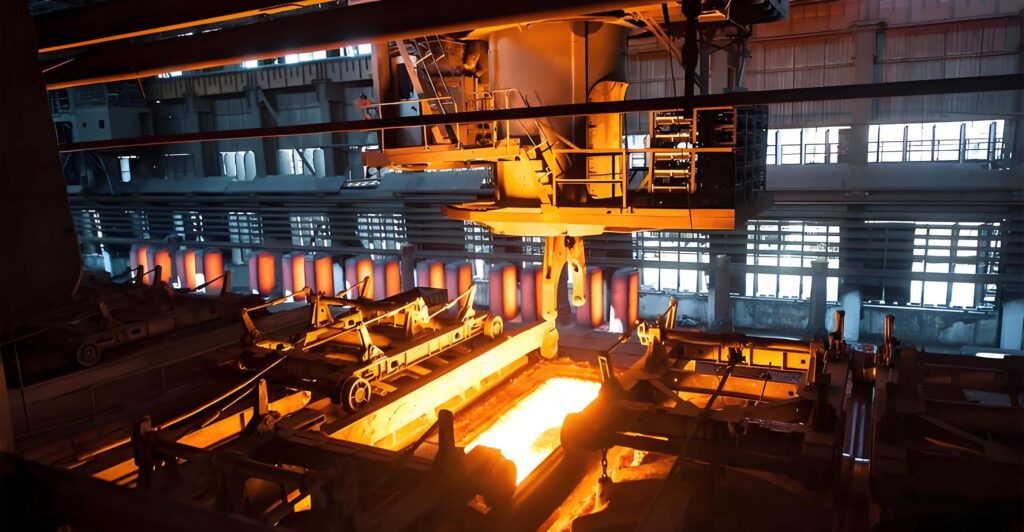
Refractories are essential to steelmaking, yet steel plants often experience significant cost differences even when using similar materials such as magnesia-carbon bricks, alumina-magnesia-carbon bricks, slide plates, or ladle castables. Some plants achieve long campaign life and low annual cost, while others face frequent repairs and rising consumption.Why does this happen? Differences in Operating Conditions and Process Stability Even the best refractory cannot compensate for unstable furnace operation. Key factors include: Fluctuating slag chemistry Inconsistent temperature control High oxygen lance intensity High scrap ratio and sudden thermal shocks Plants with stable operations naturally achieve lower refractory consumption. Plants with frequent fluctuations face higher wear, even if using comparable materials. Custom Solution Consultation Differences in Installation and Maintenance Quality Refractory performance does not depend only on materials—it also depends on how they are installed. Common issues include: Large joints between bricks Loose or uneven locking Insufficient ramming or gunning quality Delayed repairs Poor baking or drying conditions Even a 5% installation deviation can increase wear significantly.Steel plants with standardized installation procedures typically achieve much lower annual refractory consumption. Custom Solution Consultation Differences in Material Stability and Supplier Support One of the most overlooked factors is batch consistency.Even if the grade is the same, suppliers with unstable raw materials or inconsistent production lead to fluctuating lifespan and unpredictability. In addition, technical support matters: Formula optimization based on erosion analysis Guidance on slag control Adjustment of materials to match specific furnace behavior Plants with continuous technical support tend to achieve far better cost performance. My Insights Cost differences between steel plants are rarely caused by “material quality alone.”They are the combined result of:operation stability, installation standards, material consistency, and technical support. For procurement, focusing only on unit price is misleading—the real cost is the total consumption per ton of steel.Choosing stable materials and reliable support often delivers the lowest total cost and the highest operational efficiency. Related Posts More Blog